Practical automotive training. Built in a working shop.


Champion Standards

The Champion Standards
The Care You Deserve. The Accountability We Expect.
Every vehicle in our care belongs to someone counting on it. It gets them to work, takes their children to school, and carries the people who matter most. When they hand us the keys, they trust us with their safety, their time, and their money. That trust deserves clear expectations for how we work.
The Champion Standard makes those expectations public. It explains what we expect in the service bay, at the counter, and from the people leading the shop. Inspect before repairing. Document the findings. Explain recommendations clearly. Get approval. Keep the customer informed. Check the completed work. Each responsibility helps protect the customer and gives our team a consistent way to deliver the care we promise.
Customers deserve to understand what we found, why it matters, what it will cost, and what can reasonably wait. They should feel comfortable asking questions, requesting an explanation, or declining a recommendation. Our job is to give them the facts and perspective to make an informed decision, then respect that decision.
Meeting these expectations takes training, communication, and support. Technicians need accurate information and the right equipment. Advisors need complete findings and time to explain them. Leaders must provide clear direction, listen when someone raises a concern, and take responsibility for the conditions their team works under. When something goes wrong, we expect honesty, prompt communication, and follow-through.
Champion University exists to help automotive professionals put these habits into practice. We share them openly so customers can see what we stand for and other shops can bring stronger expectations to their own teams. Read the standards below. They describe how we earn trust through the decisions we make, the work we perform, and the way we treat people—every visit.
Your Trust. Our Responsibility.
You deserve to know what happens after you hand over your keys. The Champion Standard makes our expectations clear—from the first conversation to the final quality check. These are the habits we teach, the responsibilities we share, and the commitments that guide how we care for you and your vehicle.
Prioritize doing things the right way
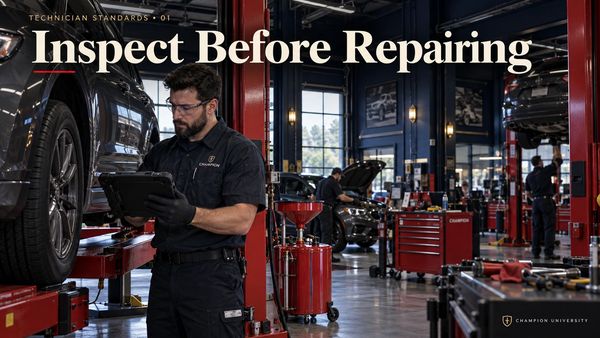
Inspect Before Repairing
We inspect the vehicle before beginning repairs so our recommendations start with a clear understanding of its condition. We document what we find with photos, measurements, and notes, while keeping the customer’s original concern at the center of the visit. Findings that require further testing are identified and explained before we recommend a repair. The advisor reviews the inspection with the customer, explains priorities, and obtains approval before work begins. This gives the customer the information to make confident decisions and helps prevent surprises, unnecessary repairs, and overlooked concerns.

Protect People and Property
We treat every vehicle, set of keys, and personal belonging as something entrusted to our care. We use protective covers, handle vehicles carefully, and keep work areas clean and equipment properly secured. Safe lifting, proper protective equipment, and careful movement through the shop protect customers and our team. Customer information stays private and is shared only as needed to complete the service. If damage or a safety concern occurs, we report it promptly, explain what happened, and take responsibility for addressing it.
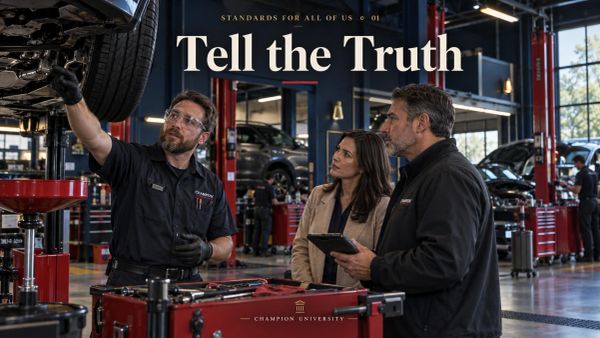
Tell the Truth
We explain what we found, what we verified, and what still needs testing. Our recommendations reflect the vehicle’s condition, service history, and manufacturer guidance, with evidence the customer can understand. We are honest about pricing, timing, and the limits of what a repair will resolve. When we make a mistake or give incorrect information, we acknowledge it promptly and explain how we will address it. Customers deserve to make decisions based on facts, without exaggerated urgency, hidden details, or promises we cannot keep.

Verify the Repair
We check that the completed repair performs as intended and addresses the concern it was approved to resolve. Depending on the work, that may include a road test, leak check, system test, or confirming that the original symptom is gone. We document the results and clearly explain anything that remains unresolved or could not be reproduced. If something is still wrong, we investigate and communicate the next step before calling the job complete. These checks help catch problems before delivery and give customers a clear understanding of what was accomplished.
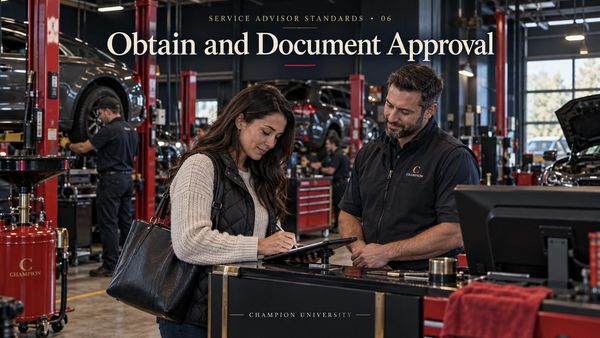
Obtain and Document Approval
We explain the recommended work, expected cost, and scope before asking the customer to authorize it. We record what was approved, who approved it, and any work the customer chose to decline or postpone. If additional testing, repairs, or costs become necessary, we contact the customer for approval before proceeding with those changes. Questions are welcomed, and customers have room to make decisions without pressure. Clear authorization keeps the customer in control and gives everyone a reliable record of what was agreed upon.
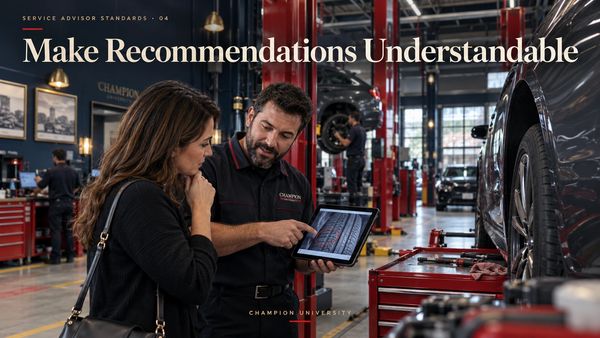
Make Recommendations Understandable
We explain each recommendation in plain language: what we found, why it matters, and what the proposed service will accomplish. We use inspection photos, measurements, and service history to connect the recommendation to the customer’s vehicle. We distinguish confirmed problems from routine maintenance and concerns that need further testing. Before asking for a decision, we explain the priorities, available options, and expected costs, then make time for questions. Customers should understand what they are approving and why it is being recommended.
Be Dependable Beyond the Repair
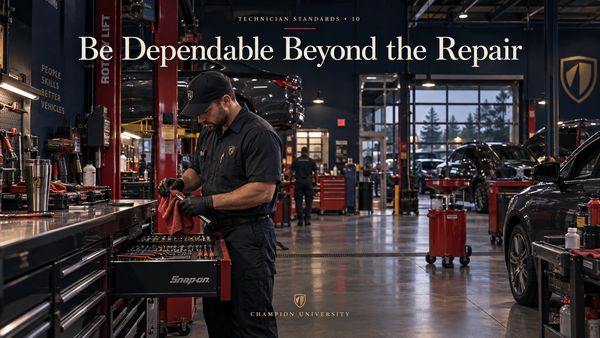
We show up prepared, follow through on our responsibilities, and communicate early when something could affect the team or a customer’s visit. That includes keeping work areas ready, completing assigned duties, and leaving clear information for the next person handling the vehicle. When a delay or problem develops, we speak up and help resolve it. We respect the customer’s time by making realistic commitments and keeping them informed when plans change. Dependability across the whole shop helps prevent missed details, avoidable delays, and customers having to chase us for answers.
Keep the Inspection Moving
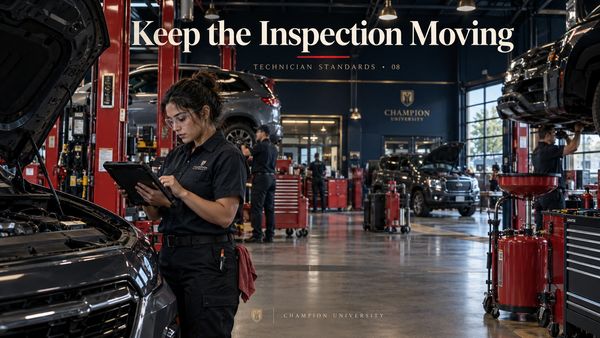
We begin inspections promptly and share findings as they become ready so the advisor can prepare clear recommendations without unnecessary delays. Photos, measurements, and notes are completed while the vehicle is being inspected, keeping the information accurate and available to the team. If testing, equipment, or another issue slows progress, we communicate the reason and ask for help early. We keep the process moving without skipping checks or guessing to meet a time target. This gives customers time to understand their options and make decisions before they are expecting to leave.
Take Ownership and Ask for Help
We take responsibility for our work and speak up when something is unclear, goes wrong, or needs another person’s expertise. Asking for help early gives the team a chance to prevent a mistake or resolve a concern before it affects the customer. When we discover an error, we report the facts promptly and help put it right. If another team member needs to take over, we provide a clear handoff and confirm who is responsible for the next step. Customers deserve a team that follows through and keeps them informed until their concern is addressed.
Treat People with Respect
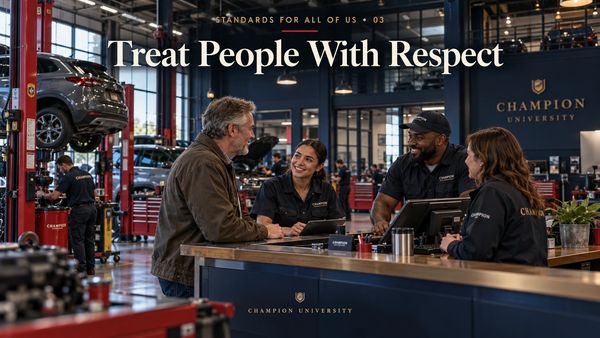
We listen without interrupting and give people room to explain their concerns, ask questions, and make decisions. Every customer deserves courtesy and a clear explanation, regardless of their automotive knowledge, budget, or the work they choose to approve. We handle disagreements calmly and address concerns without talking down to anyone. Within our team, we share information, value each person’s contribution, and correct mistakes without humiliation. Respect makes it easier for customers and team members to speak up, helping us catch misunderstandings and resolve problems sooner.
Own the Customer Update
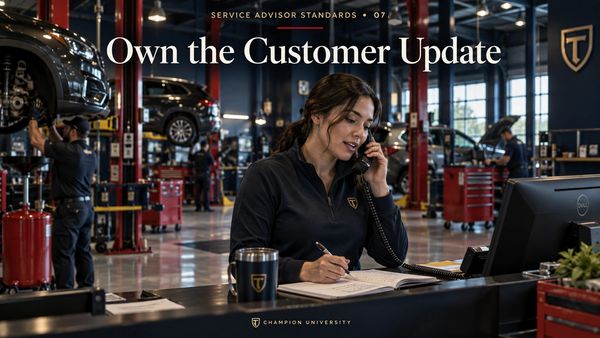
We tell customers when to expect their next update and follow through, even when we are still waiting for answers. Before reaching out, we check the vehicle’s progress so we can explain what is complete, what is pending, and what happens next. If timing or costs may change, we communicate early and obtain approval for any additional work. We document the conversation so the whole team understands what the customer has been told. Customers should be able to plan their day without having to chase us for information about their vehicle.
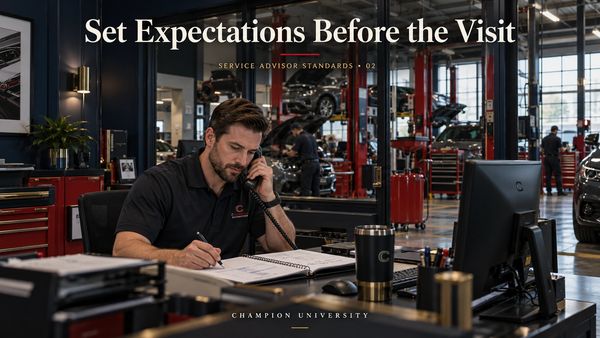
Set Expectations Before the Visit
We ask about the customer’s concern and explain what to expect before they arrive. We clarify the appointment time, whether they will wait or drop off, and how inspection or testing fits into the visit. We explain any known charges, what requires approval, and when they can expect an update. We make realistic commitments based on the work and available capacity, making clear that an appointment does not guarantee an immediate diagnosis or completed repair. This helps customers plan transportation, arrange their day, and arrive with a shared understanding of the next steps.
raising the standard in the automotive industry
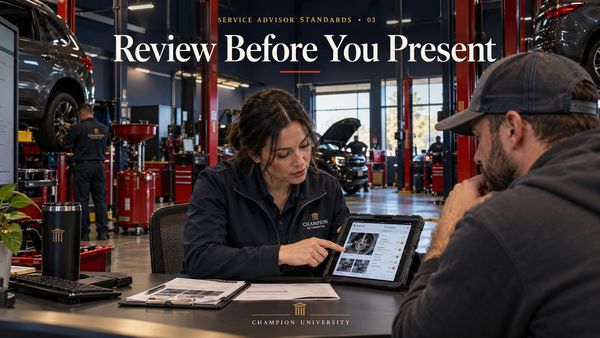
Review History Before You Present
We review the vehicle’s available service history, previous inspection findings, and past recommendations before presenting new work. We check what was completed, declined, or scheduled for later and compare it with the current findings. If our records are incomplete, we ask the customer about recent service performed elsewhere. When a recommendation appears to conflict with previous work, we clarify the reason before asking for approval. This helps prevent duplicate services, inconsistent advice, and customers paying for work their vehicle does not need.
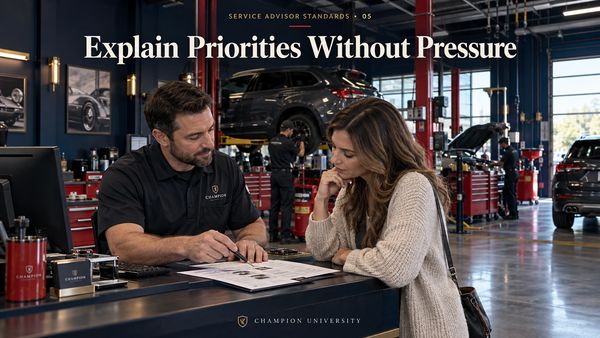
Explain Priorities Without Pressure
We explain which findings need immediate attention, which can be planned, and which should be monitored. Each priority is supported by the vehicle’s condition, inspection evidence, and applicable service guidance. We discuss the likely consequences of waiting honestly, including any uncertainty, so customers understand their options. We respect their budget and decisions, document declined work, and help them plan next steps. Customers deserve clear guidance and time to decide without exaggerated urgency or pressure to approve everything at once.
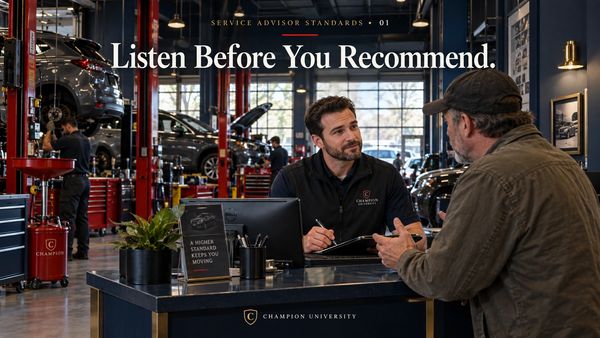
Listen Before You Recommend
We give customers time to explain what they are experiencing and what they need from the visit. We ask follow-up questions about when the concern happens, what has changed, and any previous attempts to resolve it. Before recommending a next step, we repeat back the key details to confirm we understood correctly. We document that information clearly so the technician receives the customer’s concern without assumptions or missing details. Careful listening helps direct the right testing, avoid wasted time, and keep the visit focused on the reason the customer came to us.

Understand the Customer's Concern
We make sure the customer’s concern is clearly understood before deciding how to investigate it. We clarify when it happens, how often it occurs, and what the customer sees, hears, or feels. When helpful, we ask the customer to demonstrate the concern or share a recording so the technician has a clearer starting point. If we cannot reproduce the problem, we explain what we checked and what information or testing is needed next. This helps prevent unnecessary repairs and keeps us focused on resolving the reason the customer brought the vehicle in.
Prove the Work Is Complete
When we finish a repair, we clean the area we worked on and remove any tools, protective materials, or mess left from the job. We quality-check the vehicle and perform the appropriate tests or road test to confirm the repair works and the customer’s concern has been resolved. We check the surrounding components, fluid levels, and connections affected by the work, as applicable. If anything remains unresolved or needs attention, we address it or clearly explain it to the customer. Before marking the vehicle complete and calling it ready, we verify that the authorized work, final checks, and documentation are finished.
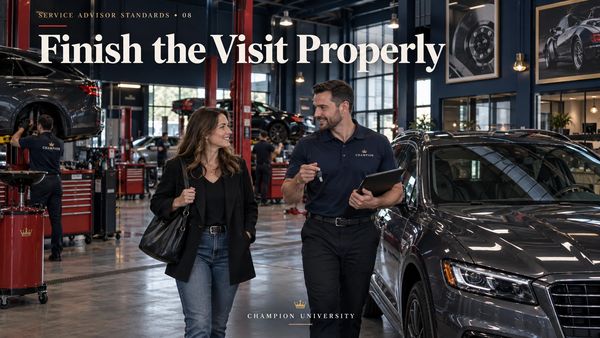
Finish the Visit Properly
We review the completed work with the customer, explain the results, and make sure the invoice matches what was authorized. We discuss any remaining recommendations, relevant warranty coverage, and instructions they need after the repair. We ask whether their questions have been answered and explain any next steps for their original concern. We walk the customer to their vehicle, confirm it is ready for them, and thank them for trusting us. The visit should end with the customer understanding what was done, what comes next, and who to contact if something does not feel right.
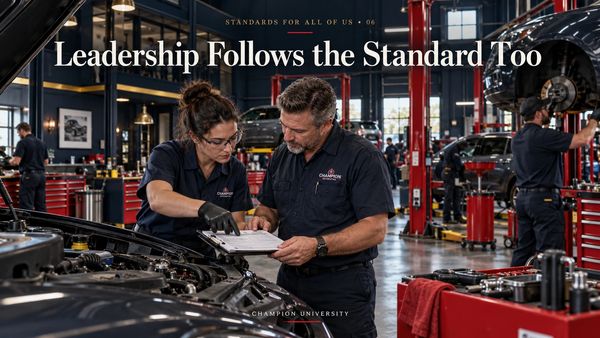
Leadership Follows the Standard Too
Our owners and managers follow the same expectations for honesty, respect, communication, and accountability that we ask of our team. Leaders put expectations in writing and provide the training, equipment, and support people need to meet them. When a problem occurs, we examine the facts and our own decisions before placing blame. We welcome concerns, acknowledge mistakes, and follow through on corrections, even when doing so costs time or money. Customers benefit when leadership supports careful work and informed decisions, especially when the shop is busy or under pressure.


Your First Year at Champion University Is Free
Join Champion University and get your first year of practical automotive training and tools at no cost. No obligation. Cancel anytime.
Enroll by November 11, 2026